5 Things QA Managers Know We Handle on Audit Day
What contract sanitation looks like when Quality Assurance (QA) managers don’t have to worry about it.
TL;DR
QA managers expect sanitation to already be ready when the auditor walks in. The five things they trust their contract sanitation partner to handle are training records, chemical concentration verification, daily records, master sanitation records and the floor walk. After 30 years in this business, I take it as a compliment when a QA manager doesn’t have to continuously be checking in on sanitation. It means we have earned the trust to be left alone with it.
Explore this article with AI
Why QA managers treat sanitation as the price of admission
Talk to any QA manager about audit day and they will tell you the same thing about sanitation. It is the price of admission.
They expect it to be handled. They have their own list to work through: product temperatures, department temperatures, lot numbers, traceability and the day-side operations the auditor is going to dig into. The sanitation side is supposed to already be ready when the auditor walks in. That is the deal.
When a QA manager feels confident walking away from sanitation, that is trust. It means the partner running the third shift has earned the right to be left alone with it. So this is a list of the five things QA managers already know we have covered, and what we are actually doing on the floor.
What auditors look for in employee training records
Training records are usually the first thing the auditor wants to see in the boardroom, and the first thing that impresses them when we get it right.
Day-one training is not enough. Auditors want to see qualified people doing qualified jobs, SSOP training tied to specific roles, lockout/tagout signed off and proof that training kept going after pre-work orientation.
We share a food safety best practice with our entire team, every member, every site, every week. So when the auditor asks the person actually doing the cleaning what they know, the answer comes from the work, not from a binder.
How chemical concentration verification holds up under audit
Auditors look closely at chemistry. Chemistry is where sanitation either works or does not, and the records are easy to verify.
The standard is not “we used the right chemical.” The standard is the right concentration, in parts per million or percent alkalinity, verified by titration and documented every shift. Titration is the test. Concentration is the result. Both have to live in the records.
Our teams titrate, check and document on every shift. When the auditor pulls a random log from three weeks ago, we want them to see the same discipline on a quiet Tuesday that they would see the night before an audit.
That is the bar. Same chemistry, same checks, same records, every shift. Not just the ones we know are being watched.
How clean daily records take the pressure off your QA team
Every shift produces a paper trail. Pre-op reports, sanitation logs, chemistry verification, corrective actions, deviations, sign-offs. None of it is complicated on its own. All of it has to be there.
Plants get into trouble when daily records become something the night supervisor handles “when there is time.” By the time the auditor asks for last Tuesday, “when there is time” has produced gaps. We build daily documentation into the close-out of every shift, before the team clocks out and before the floor turns over to production.
If a QA manager wants to spot-check us, the test is simple. Pick any date. Pick any site. The records should tell a complete story without a phone call.
How master sanitation records reflect a culture, not a document
The master sanitation schedule is a discipline, not a document.
Auditors want to see the schedule reflect what is actually happening: cross functional communication on upcoming items to ensure flexibility about what is happening today while still adhering to cleaning frequencies; optimized cleaning frequency on items to align with FSQA priorities; and completion records that match the reality of the cleaning schedule and changes signed off by sanitation and quality teams.
This is where workforce consistency pays off. A crew that turns over every few months cannot carry a master sanitation schedule with the same degree of expertise. A crew that stays, because they are mentored, paid living wages and treated like professionals, can.
Our 97% client retention rate is a function of a 2,000-person team that has learned to execute the same schedule the same way across 200+ facilities. Programs like Dos Amigos and WINS are how we build that consistency on purpose.
What the floor walk reveals about sanitation culture
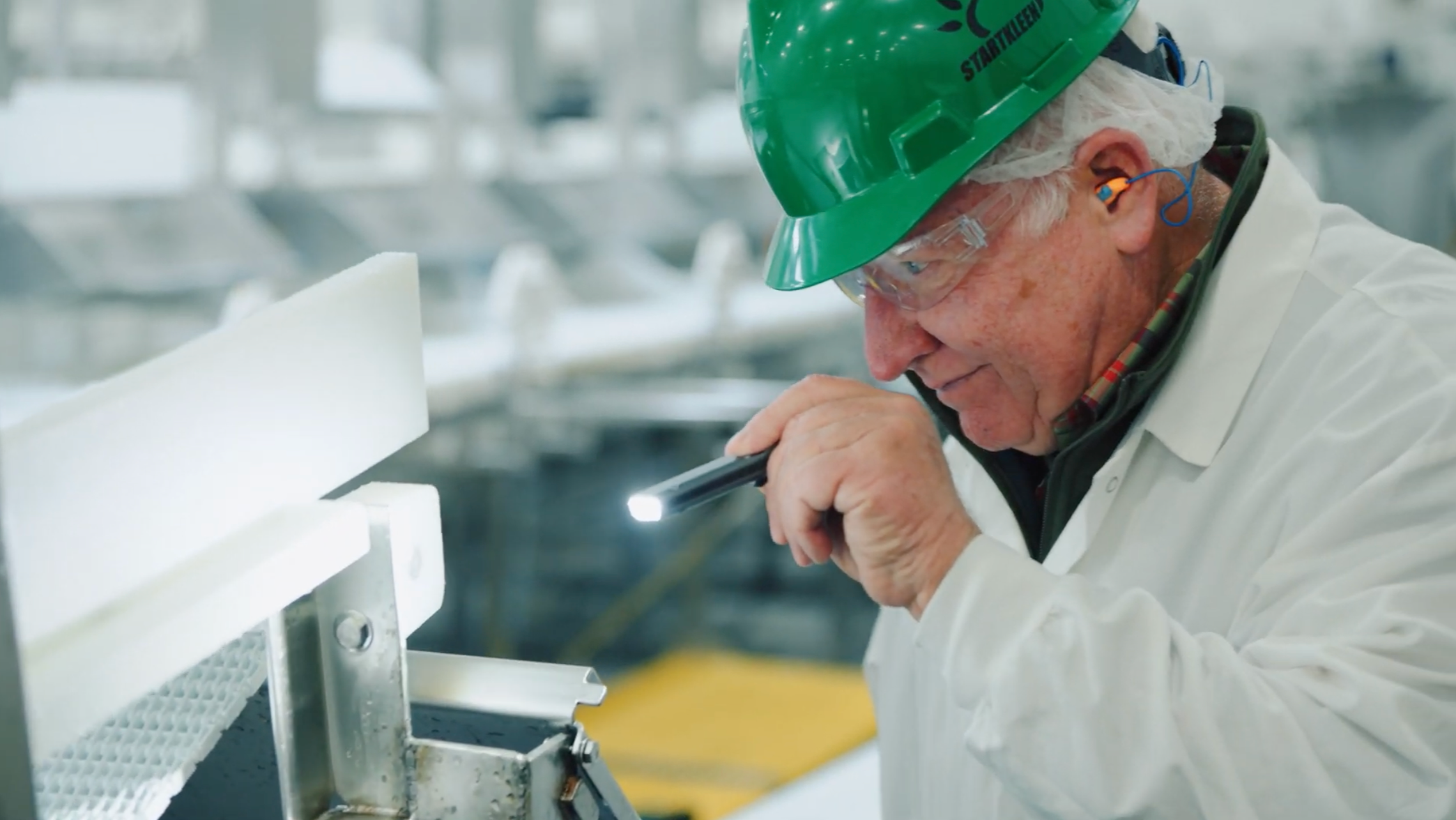
The auditor’s walk is where culture shows up. They are watching how people move, how the work flows, whether the crew can answer questions in their own words and whether pre-op was done with the auditor in mind or done because that is how we always do pre-op.
An auditor steps onto the floor and sees a process that flows. Zone by zone. Documented. Calm. The crew knows what they are doing because they did it the same way last shift, and the shift before that.
What “we take the floor tonight” actually means for your QA team
Training records, chemical concentrations, daily records, master sanitation records and the floor walk are not the hard part of the QA manager’s job. The hard part is everything else they are handling on audit day. Our job is to make sure sanitation never makes their list.
That is what we mean when we say “we take the floor tonight.” Not just the cleaning. The records that prove the cleaning happened. The training that proves the people are qualified. The chemistry that proves the work is verified. And the schedule that proves none of it was an accident.
We do not aim to be the cheapest sanitation partner or the biggest. We aim to be the one your QA team forgets to worry about, because the work gets done right and the records prove it.
If any of this sounds like the kind of partner you want on the third shift, request a bid.
Frequently asked questions
Everything you need to know about how StartKleen handles sanitation on audit day.
What documentation do auditors expect from a contract sanitation provider on audit day?
Auditors expect employee training records tied to specific roles, chemical concentration verification documented every shift, daily sanitation logs and pre-op reports, master sanitation schedules with matching completion records and corrective action records. The records should tell a complete story for any date, at any site, without a phone call.
Why is chemical concentration verification more important than chemical selection during a food safety audit?
Selection is table stakes. Every provider uses approved chemistry. The audit standard is the right concentration, in parts per million or percent alkalinity, verified by titration and documented every shift. Auditors review the verification records to confirm the chemistry is actually working at the point of use, not just on the invoice.
What is a master sanitation schedule and how does it support GFSI audit readiness?
A master sanitation schedule lists every cleaning task that happens beyond daily sanitation: overhead cleans, drain treatments and equipment-specific deep cleans, along with frequency, owner and completion records. For GFSI audits like SQF and BRCGS, the schedule has to reflect what is actually happening on the floor, with signed-off completion records that match the planned frequencies.
How does workforce retention affect sanitation audit performance?
Sanitation quality depends on repetition, familiarity and discipline. A stable crew that returns to the same plant night after night knows the equipment, the trouble spots and the order of operations, which produces consistent execution and consistent records. High turnover breaks that continuity, which shows up in audits as missed steps, incomplete records and gaps the auditor finds before the QA manager does.
What does StartKleen mean by “we take the floor tonight”?
It means the third-shift sanitation operation is owned by us: staffing, training, chemistry concentration, execution and the documentation that proves all of it. The plant’s QA team should not have to manage sanitation as one more item on their audit-day list. Our job is to make sure sanitation never makes their list.
How can a QA manager spot-check whether their contract sanitation partner is truly audit-ready?
Pick any date and any site, and ask for the records. The pre-op report, sanitation log, chemistry verification, training records for the crew on shift and master sanitation tasks completed that week should all be available without a phone call or a delay. If any of those records require chasing down, that is the gap the auditor will find first.
About the Company
StartKleen is a founder-led, third-generation food safety business headquartered in Gunter, Texas. We provide turnkey contract sanitation, chemistry solutions and food safety training to 200+ USDA and FDA-regulated food processing facilities across the U.S. With 30+ years of combined leadership experience, 1,500+ team members and a 97% client retention rate, we deliver consistent, audit-ready sanitation backed by a culture of mentorship, accountability and pride.
Learn more at startkleen.com.
About the Author
Rick Kimbrell is the Founder and CEO of StartKleen. A third-generation food safety professional, Rick founded StartKleen in 2009 building on a family legacy in sanitation that began with his father, Ray Kimbrell. With more than 30 years of leadership experience in food plant sanitation, Rick has built StartKleen into a 1,500-person team supporting 200+ USDA- and FDA-regulated food processing facilities across the United States. He is a 2026 EY Entrepreneur Of The Year Southwest finalist and a Vistage Lifetime Achievement Award recipient.
Methodology
This article reflects the author’s professional experience leading sanitation programs across more than 200 food processing facilities, combined with StartKleen’s internal records on training documentation, chemical verification, master sanitation schedule execution and audit support. Frequencies, completion records and verification practices described are based on standard StartKleen procedures applied across client sites.